Viridian New Construction vs Resale: What to Consider
November 21, 2025
November 21, 2025
Trying to decide whether to build new or buy a resale in Viridian? It is a big choice that shapes your timeline, budget, and daily life. You might be drawn to the lakes, trails, and parks, but you also want the right lot and confidence in what comes after closing. In this guide, you will compare new and resale options in Viridian, including timelines, lot selection, warranties, amenity access, HOA details, landscaping, costs, and financing. Let’s dive in.
Viridian is a master planned community built in phases. That affects when new lots are available, which amenities are open, and how the HOA structure works. The community’s appeal often centers on lifestyle, including trails, lakeside and open space access, parks, pools, and community centers. Architectural and landscaping guidelines shape the neighborhood’s character over time, which matters whether you build new or buy a resale.
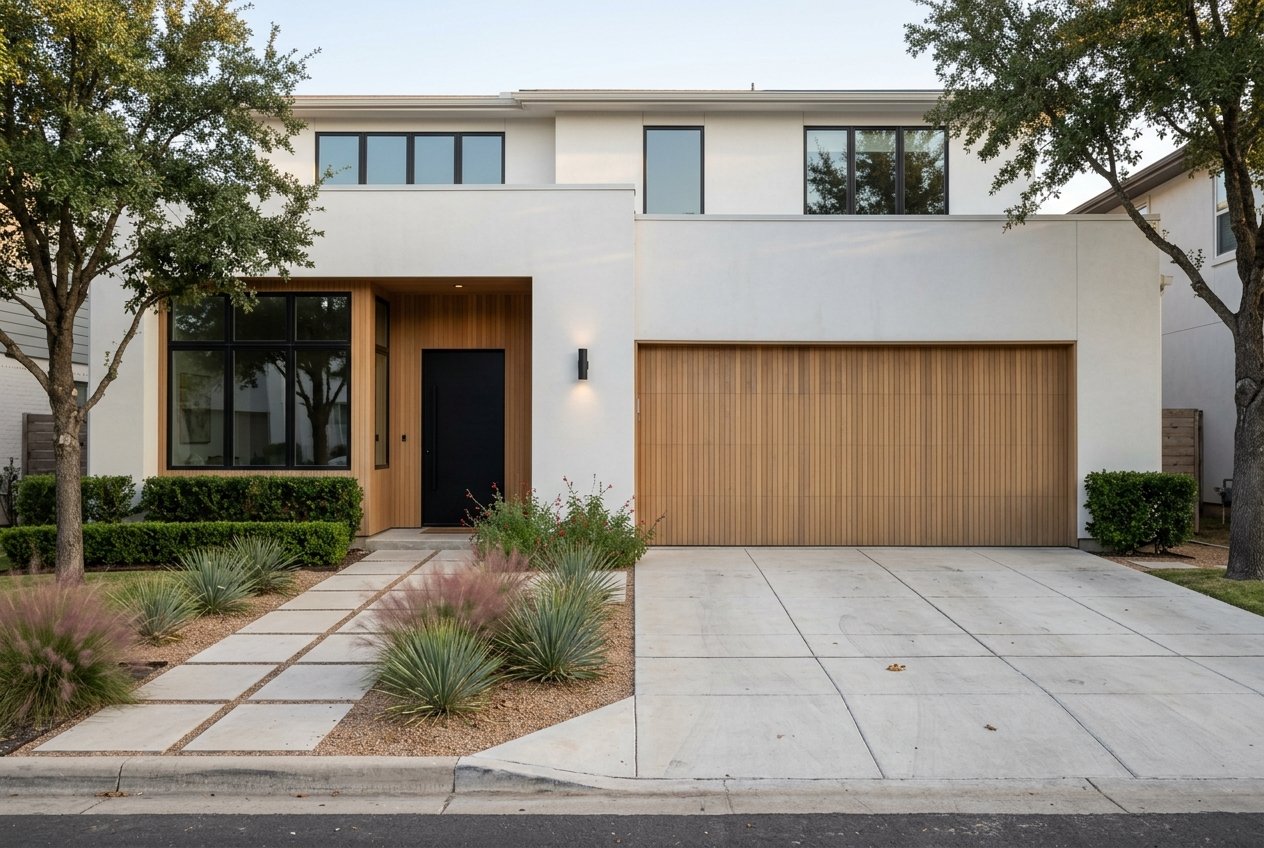
Both paths can be great fits in Viridian, but for different reasons. New construction offers customization, fresh systems, and written builder warranties. Resale offers faster move-in, mature landscaping, and an established streetscape that you can see and experience today. Your decision usually comes down to timeline, lot priorities, amenity access, and how much you value customization versus immediate neighborhood feel.
If you choose a build to order, expect a longer path to move-in. Many builds take 6 to 12 months or more depending on size, options, and scheduling, and delays can happen due to materials, subcontractors, or permitting. Inventory or spec homes can close much faster, often in 30 to 90 days since the house is already complete. With a resale, you typically follow a standard 30 to 45 day closing, with immediate access to existing amenities and the current neighborhood environment.
With new construction, you can choose from the lots that are being released, which helps you target orientation, proximity to community features, and potential water or greenbelt views. You can also plan the home’s placement for sun, views, and privacy. With resale, you can evaluate real world performance on day one, including drainage, shade, street noise, and neighbor activity. Resales also deliver mature landscaping and curb appeal that you can see now, which often adds comfort and privacy immediately. If you are eyeing lakeside or open space lots, verify any floodplain or environmental overlays, as well as setbacks, easements, and tree preservation rules.
New homes usually include written builder warranties. A common pattern is a workmanship warranty in the first year, a systems warranty that may extend beyond that, and a structural warranty that can extend for multiple years. Exact terms vary by builder, so you should review the documents, coverage limits, and claim process in detail. For resale, your protection comes from inspections, seller disclosures, and negotiations. You can often add specialized inspections, and you should ask whether any existing warranties are transferable.
Amenity access can be tied to development phases. Some amenities may open later for buyers who are early in a phase, while other facilities may be available right away. Resale buyers step into established usage patterns, which you can observe during showings and visits. Whether you buy new or resale, review the master level HOA assessments, rules, and any history of special assessments, and confirm when control transfers from the developer to residents.
New homes often start with young trees and minimal landscapes. Some builders offer upgraded packages at added cost, and it takes time for shade and plantings to mature. Resale homes usually have established lawns and larger trees that boost curb appeal and comfort on day one. Mature landscaping can also improve shading, reduce heat, and help with stormwater absorption.
Builders may offer incentives, such as closing cost help or design credits, although price flexibility varies with market conditions. Customizations and lot premiums add to the final price, so compare base price plus common upgrades when you evaluate total cost. Resale pricing is often more negotiable on terms, concessions, or repairs, but you should budget for maintenance or upcoming replacements based on inspection results. Financing differs too. Custom builds often use construction loans with interest only draws during the build, then convert to permanent financing. Completed new inventory and resales typically use standard mortgage products with typical appraisal processes.
New homes often command a premium for modern layouts and new systems. Thoughtful customization can help future resale appeal, while highly specific choices can narrow your buyer pool later. Resale homes benefit from established comps and neighborhood maturity, and you may find renovation opportunities that add value. Your best guide is a careful review of recent comparable sales and an honest estimate of future maintenance and upgrades.
You want clarity on builder timelines, lot releases, amenity status, and HOA details, along with real comps for both new and resale. A local advocate helps you weigh upgrade choices against resale value, spot site nuances you cannot see on a map, and structure offers that protect your interests. Whether you are relocating or moving up within the area, professional guidance saves time and reduces surprises.
If you are ready to compare specific new builds against the best resales in Viridian, reach out for a custom plan, on your timeline and budget. Connect with David DeVries for private tours, contract guidance, and neighborhood level advice.
Stay up to date on the latest real estate trends.
Get assistance in determining current property value, crafting a competitive offer, writing and negotiating a contract, and much more. Contact me today.